Keping Wang
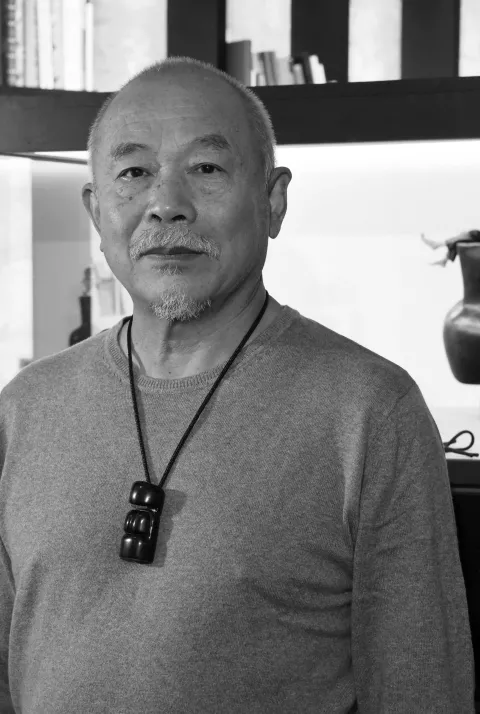
Wang Keping was born in 1949 in Beijing, China. He has lived and worked in Paris since 1984.
Wang Keping began sculpting wood as a self-taught artist in the late 1970s, after having been, during the Cultural Revolution, successively a farmer, a worker, then an actor and screenwriter for national television. During the Beijing Spring, he participated in the Democracy Wall and, in 1979, organized the first unofficial art exhibition ever held in China on the gates of the Beijing Museum of Fine Arts with the artist group The Stars (Xingxing / 星 星). There he hung his manifesto sculpture Silence, depicting a face/mask with the right eye closed and the mouth covered, to express the lack of freedom of expression and the censorship in place. Thus, the sculptor placed himself at the forefront of the national artistic avant-garde while embodying opposition to the post-Mao communist regime. Exiled to France in 1984, he developed a very free approach to wood carving, in contrast to Chinese artistic traditions and those of the Cultural Revolution. In France, Wang Keping abandoned political themes in favor of depicting female bodies, embracing couples, and, more rarely, birds. Using fallen tree trunks from the forest and branches brought back to his studio, he works alone with a chainsaw, a blowtorch, and a carpenter's chisel. Since then, in France, his adopted country, he has produced a body of work that is internationally recognized as one of the most powerful and original contributions to contemporary sculpture.
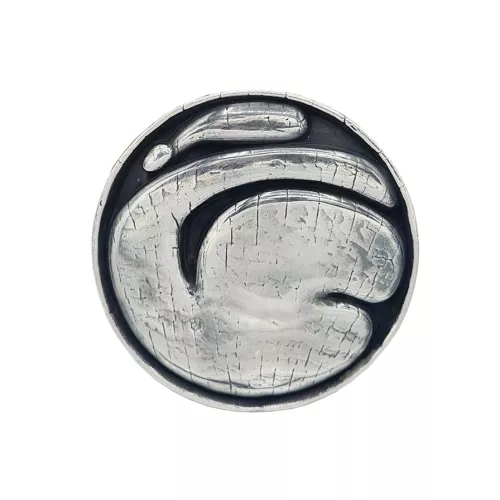
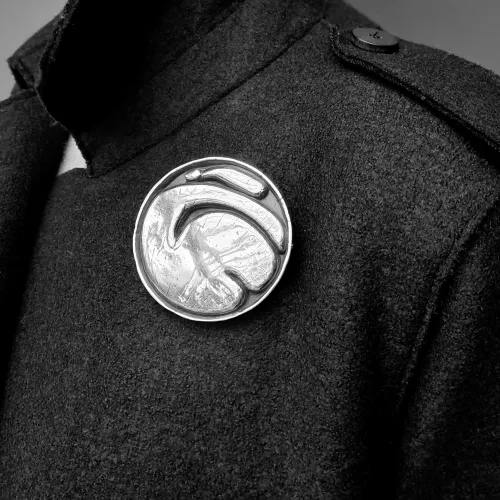
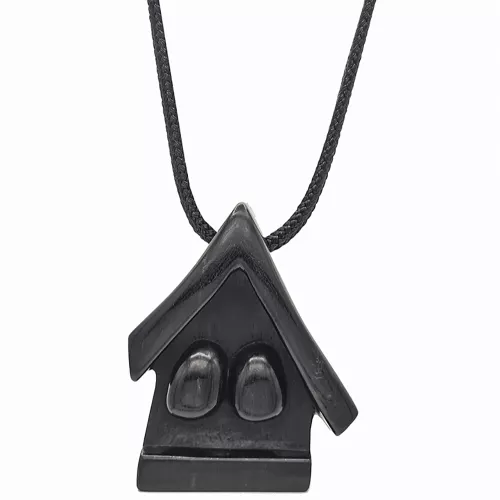
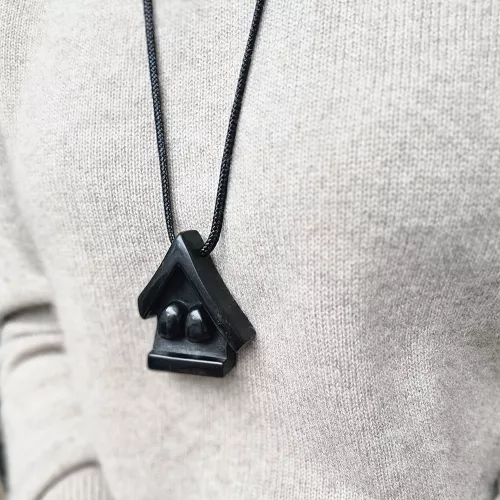
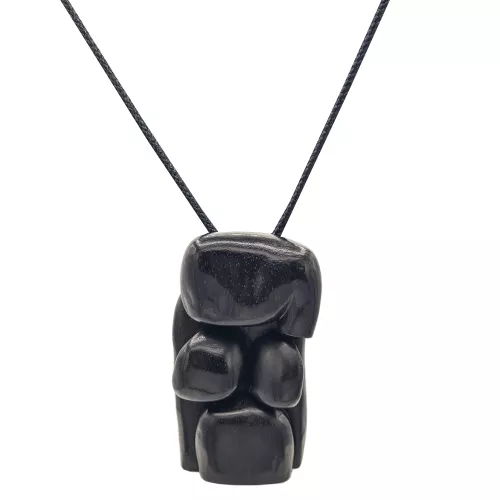
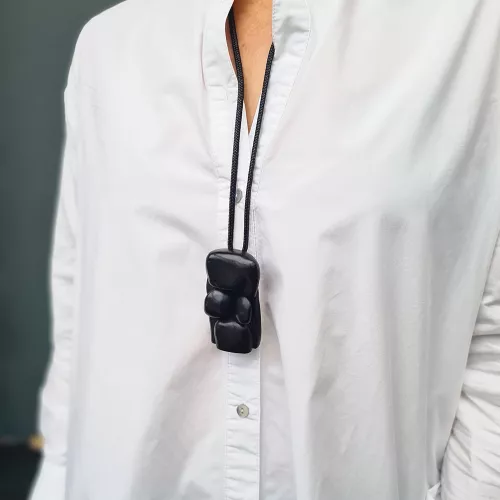
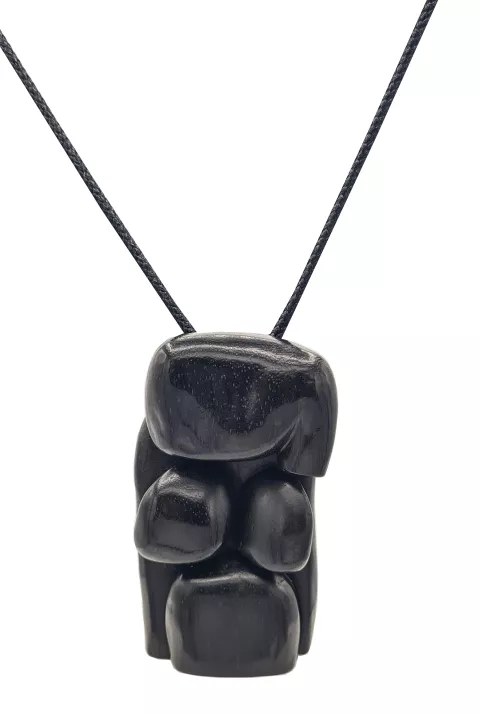
In 2021, Wang Keping began his collaboration with the MiniMasterpiece gallery. When asked by Esther de Beaucé about his experience with jewelry, he replied:
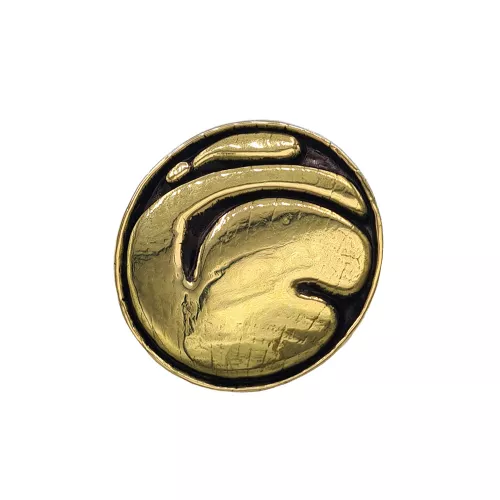
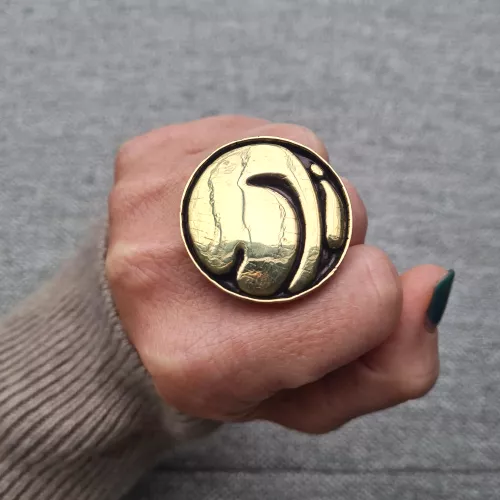
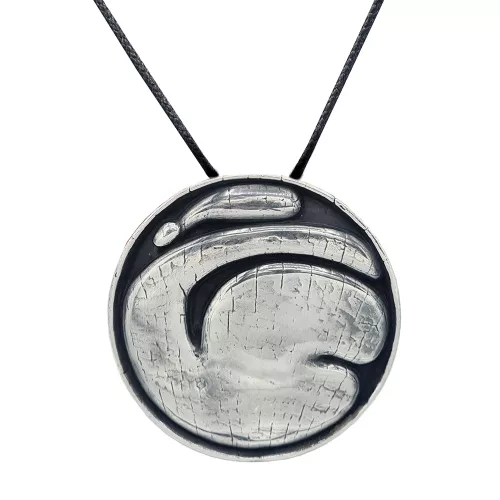
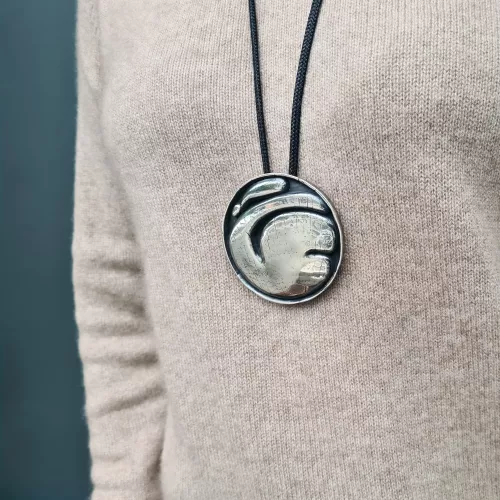
“The jewelry I create is like small sculptures suspended around the neck. Moving from a large house to a smaller one takes a lot of time to rearrange everything, and sometimes you even have to get rid of some furniture. Making a small sculpture seems easy, but the hardest part is standing out from the crowd, having your own style and your own language.”