Claude Wesel
Claude Wesel, born on February 5, 1942, in Brussels, was one of the leading figures in contemporary jewelry in Belgium.
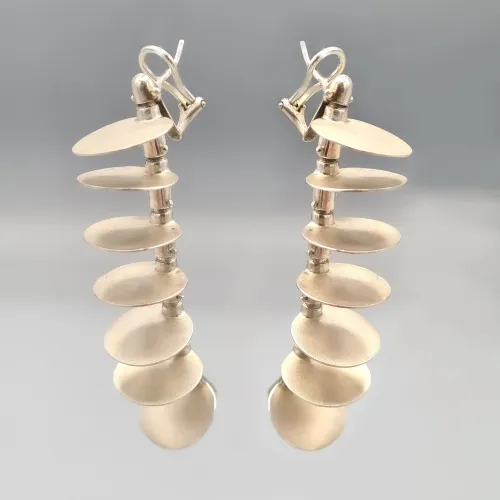
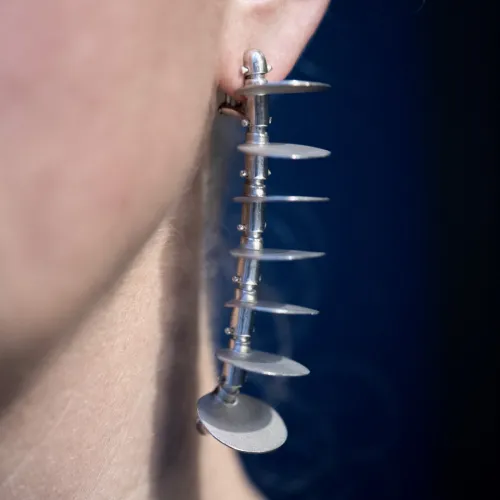
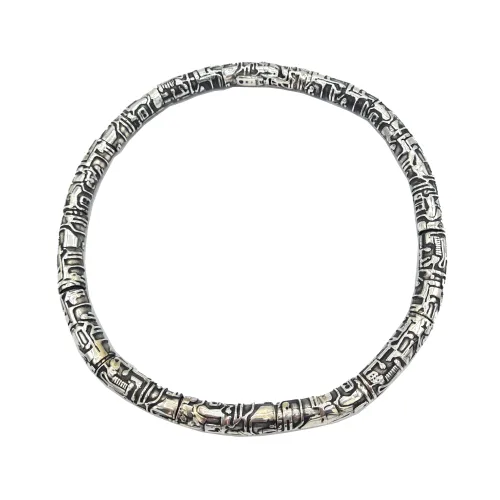
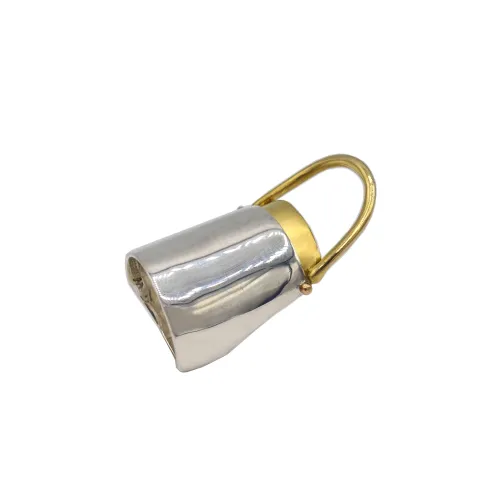
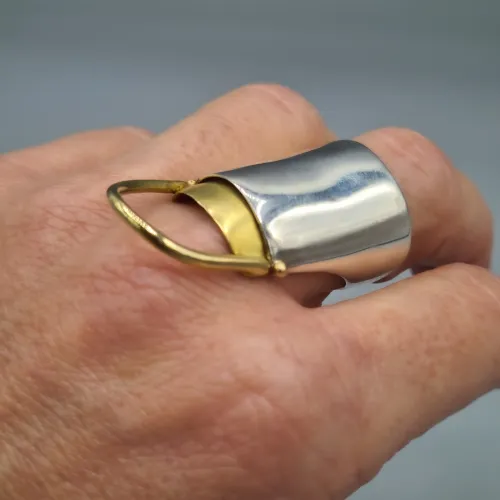
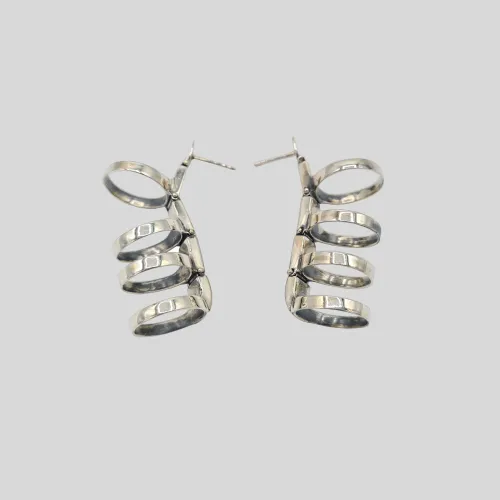
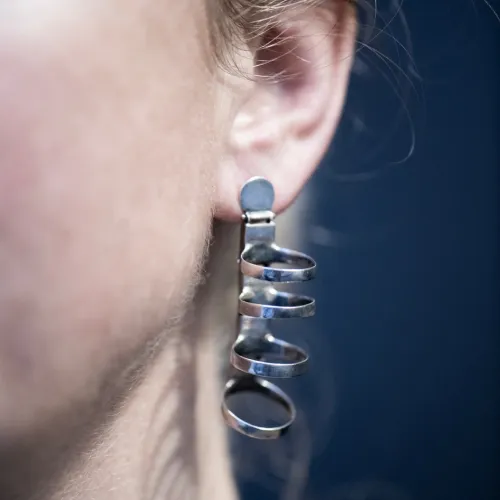
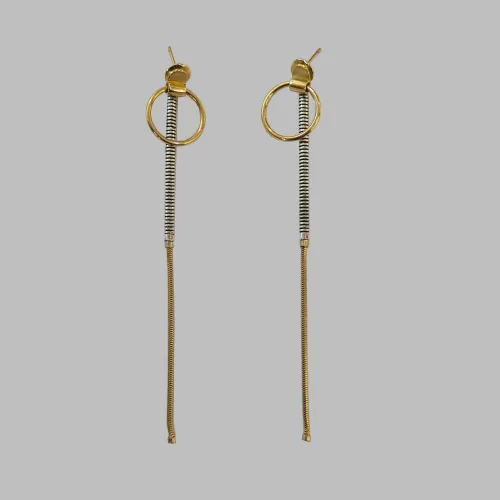
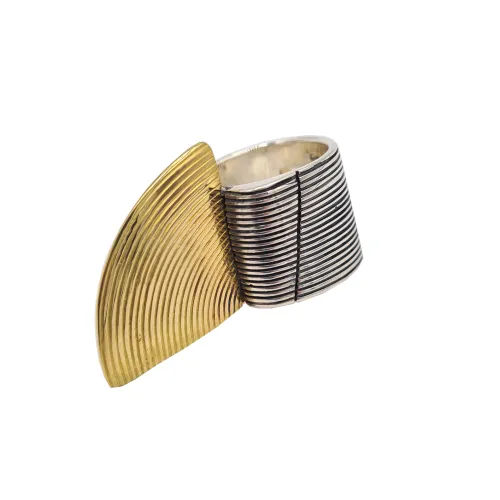
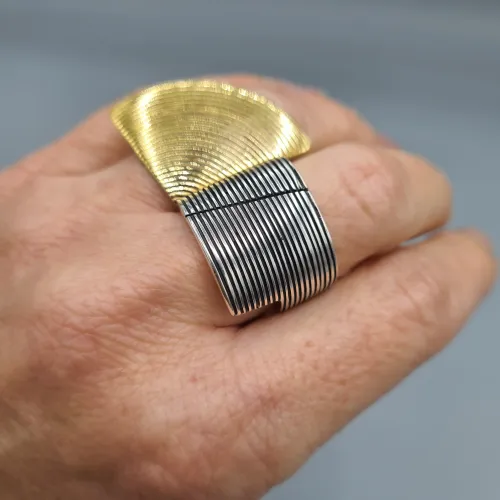
He was responsible for an exceptional body of work, both in terms of the beauty of the pieces he created and their inventiveness. An accomplished goldsmith, Claude Wesel was as much a sculptor as he was a jeweler. His expertise as a craftsman knew no bounds. From lost wax casting to sculpture, from enameling to stone setting, from precious woods to the delicate use of colored acrylic, Wesel discovers, tests, and invents a biomechanical language where technique and organic forms interact.
After training at the Maredsous School of Arts and Crafts, where he was introduced to metalworking, and then at La Cambre, where he chose to focus on graphic design and advertising, he quickly forged a strong, distinctive personality in a field that was still relatively closed to modernity.
In 1969, he took part in the international exhibition “Art et Bijoux” as part of the artist group “Atelier Demaret,” founded by André Lamy and Fernand Demaret. It was within this workshop that he developed his style. Using traditional noble materials such as gold and precious stones, he also incorporated contemporary materials rarely used in jewelry into his rings, pendants, and necklaces. These included rubber and transparent or colored Plexiglas. These combinations, along with his technological approach, which was closer to a mechanical, technical vision than a biological one, made him one of the most unique figures in the field.
Following the burglary of the gallery he had opened with his daughter Fabienne in Waterloo, this already discreet man withdrew even further from the world. However, his works, some of which have been acquired by renowned museums in Belgium (Diamond Museum in Antwerp), Germany (Schmuckmuseum in Pforzheim) and the United States (Museum of Fine Arts in Houston), are regularly exhibited in prestigious venues.
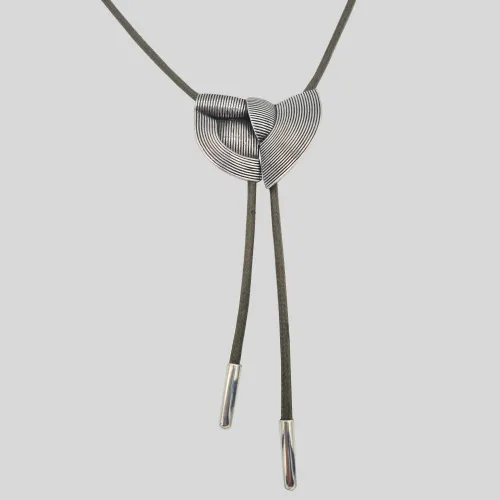
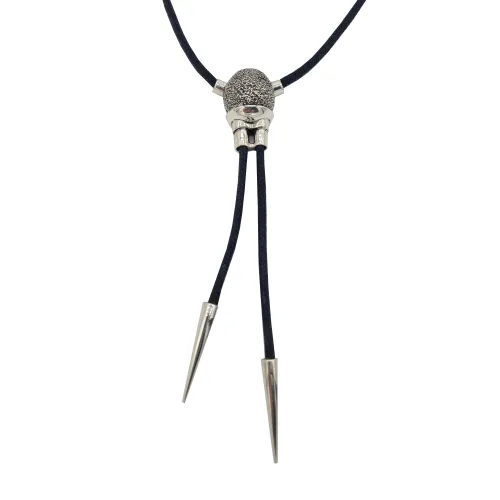
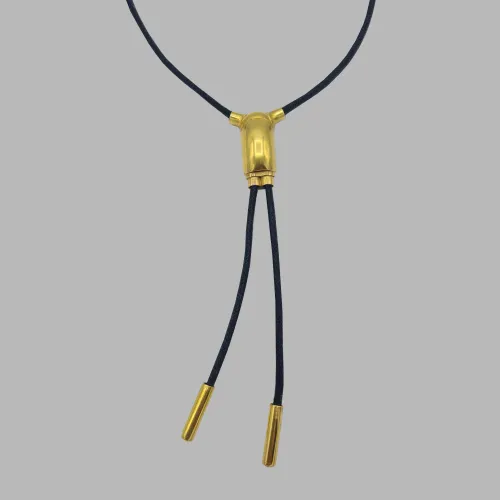
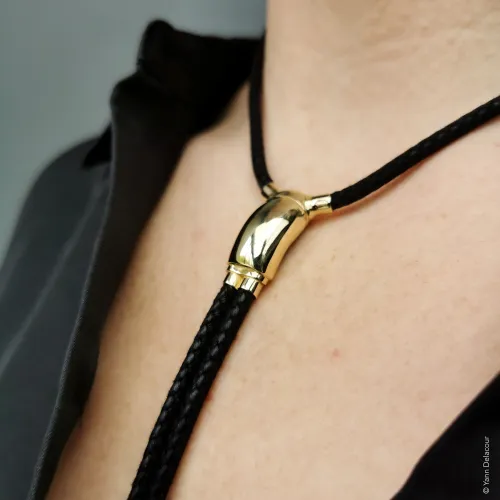
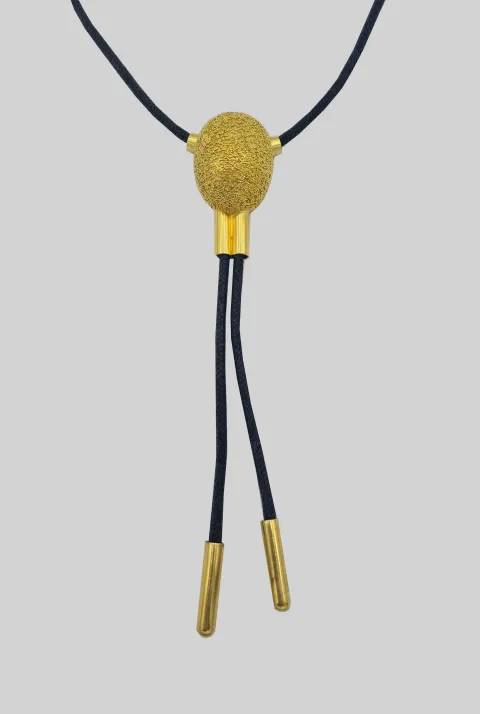
From 1995 until his death in 2014, Wesel undertook to revisit the famous bolo tie of the American Southwest, worn by Native Americans and then by the cowboys of Arizona. Unique in that it is a unisex piece of jewelry consisting of a leather or cotton cord with a metal tip at each end, the bolo is attached to a more or less sophisticated medallion-shaped clasp.
He died on December 29, 2014, in Brussels.